
- Specialities
- Laparoscopy
- Urology
- Gynaecology
- Proctology
- Aesthetics
- Vascular
 080-6541-7872
Pilonidal-sinus Treatment in Thodupuzha
Treatment & Care
Advanced, minimally invasive pilonidal sinus treatment in thodupuzha ensures quicker recovery, enabling most patients to return to routine activities shortly.

 Call Us: 080-6541-7872
Effective Pilonidal Sinus Treatment in Thodupuzha with modern techniques.
A pilonidal sinus is a painful, swollen cyst or abscess near the tailbone, often leading to infection. In thodupuzha, our clinic provides cutting-edge, minimally invasive treatments, including laser-assisted procedures, for effective pilonidal sinus management. Our skilled surgeons employ contemporary, evidence-based methods to minimize recurrence and enhance rapid recovery. After treatment, most patients return to their daily routines within a few days. We emphasize patient comfort and safety in all our care procedures.
Identifying Pilonidal Sinus: Key Warning Indicators
Early detection of pilonidal sinus symptoms is crucial for effective medical intervention and preventing complications.

Discomfort near the tailbone area.
Continuous pain at the spine's base.

Inflammation and redness noted.
Noticeable swelling and redness by coccyx.

Pus or fluid leakage observed.
Unpleasant-smelling fluid from skin.

Skin indentation or small pit.
Tiny opening or dimple on the skin.

Elevated temperature and tiredness.
Mild fever suggesting active infection.

Frequent abscess formation.
Recurrent painful lumps over time.


Warning Signs of Severe Pilonidal Sinus
Seek Emergency Care Immediately if:
Seek Emergency Care Immediately if:
 Infection spreading, severe abscess near tailbone. Pilonidal sinus drainage with high fever. Near tailbone, rapidly growing painful cyst. Cellulitis observed, spreading from sinus. Uncontrolled bleeding in pilonidal sinus.
- Infection spreading, severe abscess near tailbone.
- Pilonidal sinus drainage with high fever.
- Near tailbone, rapidly growing painful cyst.
- Cellulitis observed, spreading from sinus.
- Uncontrolled bleeding in pilonidal sinus.
Meet Our Best Pilonidal Sinus Specialists

Dr. Dhamodhara Kumar C.B
MBBS, DNB-General Surgery
 Free Consultation
 27 Years Experience
 Kochi, Ernakulam, Kerala 682025
Dr. Sunil Joseph
MBBS, MS, MMIP (Proctology)
Free Consultation 18 Years Experience Kochi, Ernakulam, Kerala 682025
Dr. Nidhin Skariah
MBBS, MS
Free Consultation 15 Years Experience Edappally, Kochi, Kerala 682024 MEDICAL INSIGHT
Underlying reasons for the development of pilonidal sinus.
The main cause of pilonidal sinus is hair embedding in skin near the tailbone, leading to infection and cyst development. Extended sitting, friction, and inadequate hygiene greatly elevate the risk.
A critical factor is hair follicle breakage under pressure, often exacerbated by sweat and friction in the natal cleft region.
 Embedded Hair Follicles
 Extended Periods Seated
 Inadequate Cleanliness
 Excessive Body Hair Growth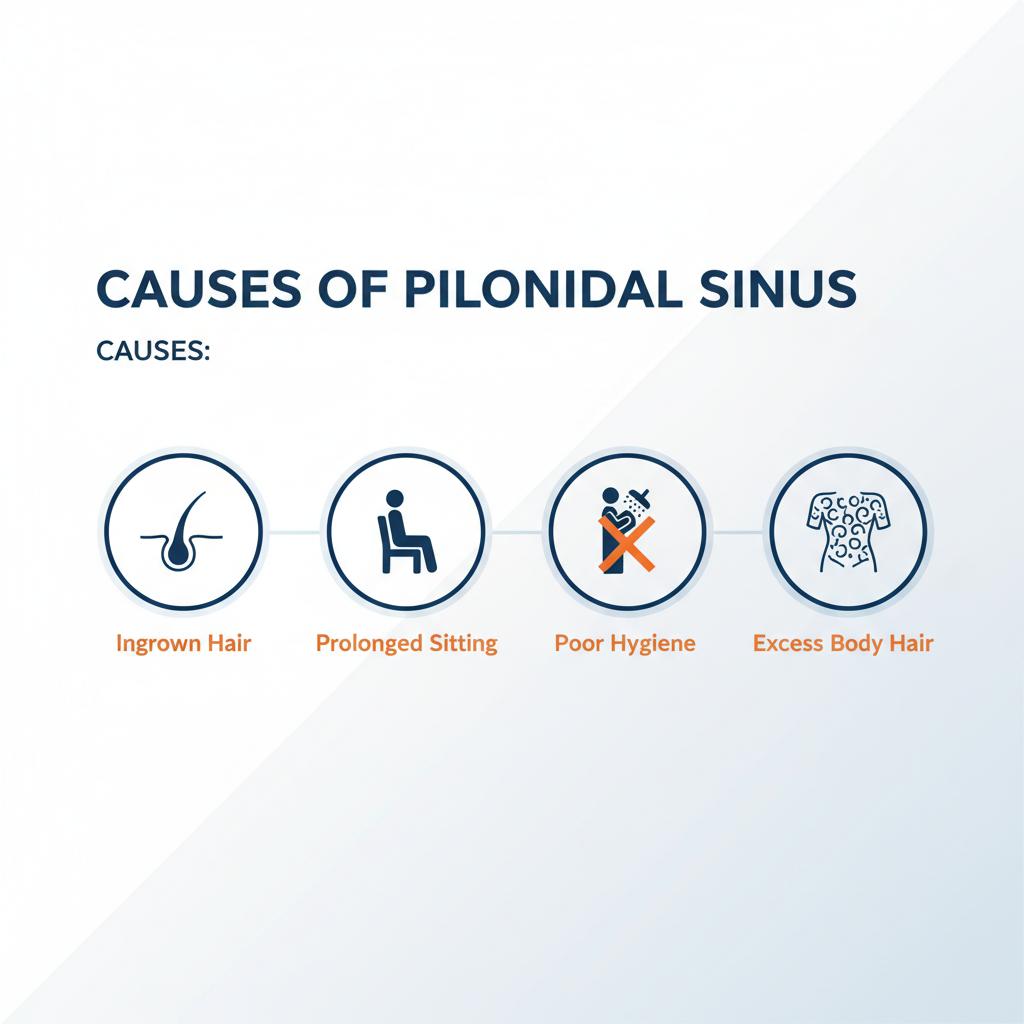
Ready to get the right care?
Identifying individuals at risk for pilonidal sinus condition.
Awareness of risk factors for pilonidal sinus aids in early identification and management.

Males in their youth and early adulthood
Hormonal activity and coarse hair growth in the sacral region make men aged 15–35 more prone to this condition.

Lifestyle with minimal physical activity
Extended periods of sitting, common in desk jobs or driving, heighten pressure and friction around the tailbone.

Increased body hair quantity
Dense or coarse hair near the natal cleft may penetrate the skin, leading to sinus tract formation over time.

Overweight or insufficient cleanliness
Inadequate hygiene and excess weight lead to moist skin folds, increasing the likelihood of pilonidal sinus development.

The Critical Phase
Postponing treatment raises the risk of deep tissue infection and recurrence; early medical consultation generally leads to better outcomes.
ALWAYS HOSPITALIZE HIGH-RISK PATIENTS
Potential issues
Serious complications can arise from untreated pilonidal sinus; timely diagnosis and effective treatment lower associated risks.

Pus Accumulation
Bacterial infection can lead to painful abscesses, necessitating immediate drainage and antibiotics to halt progression.

Long-term Infection
Untreated recurrent pilonidal sinus infections may result in chronic inflammation, scarring, and ongoing discomfort.

Tract Expansion
Over time, multiple sinus tracts may form, complicating treatment and often requiring minimally invasive surgery.

 Nearest Clinic
Addressing Pilonidal Sinus: Treatment and Recovery Insights
Discover advanced surgical and non-surgical solutions for managing pilonidal sinus.

Surgery Choices
Excision and laser methods provide high success rates.

Healing of Wounds
Most patients heal well with correct post-op care.

Time for Recovery
Most patients return to normal activities shortly.


Advanced In-Patient Care
Minimally invasive techniques for pilonidal sinus offer quicker recovery and lower recurrence rates.
 CRITICAL ALERT
Refrain from self-draining the sinus. Obtain prompt medical attention to avoid infection.
 No Self-Drain
 Avoid Sitting
 No Hot Baths
Consult a professional before any medication.
Urgent intervention needed for pilonidal sinus issues.
If severe infection or abscess forms in your pilonidal sinus, seek immediate medical care.
 Emergency Hotline


Prevention: Optimal Defense Against Pilonidal Sinus
Adopting good hygiene and lifestyle changes lowers pilonidal sinus risk.

Clean the Area Daily
Daily mild soap wash of tailbone area removes sweat, dirt, and hair.

Trim Excess Hair
Consistent hair removal near natal cleft prevents hair embedding under skin.

Limit Long Sitting
Take breaks during prolonged sitting to lessen coccyx pressure and friction.

Keep Weight Healthy
Maintaining a healthy weight reduces skin friction and pilonidal sinus risk.
What Our Patients Say
Based on 4 Recommendations | Rated 5.0 Out of 5



Your health is our
sole priority.
Need Expert Medical Consultation?
Our network of Pilonidal Sinus specialists are available for immediate clinical evaluation and personalized recovery planning.

Frequently Asked Questions
A pilonidal sinus is a cyst or tunnel near the tailbone, often filled with hair and debris, causing pain, swelling, and discharge, necessitating timely medical evaluation and treatment.
Ingrown hair, prolonged sitting, friction, and poor hygiene commonly cause it. Hormonal changes and excess body hair may also elevate the risk of pilonidal sinus development.
 Call Us
 Book Appointment


