
- Specialities
- Laparoscopy
- Urology
- Gynaecology
- Proctology
- Aesthetics
- Vascular
 080-6541-7872
Appendicitis Treatment in Kottayam
Treatment & Care
Effective appendicitis treatment in Kottayam using modern, minimally invasive methods for quicker recovery and superior results.

 Call Us: 080-6541-7872
Effective appendicitis treatment options available in Kottayam.
Inflammation of the appendix, known as appendicitis, leads to intense abdominal pain needing immediate medical care. In Kottayam, skilled surgeons provide cutting-edge appendicitis treatment through minimally invasive laparoscopic methods, promoting efficient recovery for most patients. Swift diagnosis and timely surgical procedures minimize complications, enabling most individuals to return to their regular activities within a few days.
Identifying Appendicitis: Key Warning Indicators
Early detection of symptoms is crucial for timely medical intervention and preventing complications.

Pain in the abdomen
Intense pain in lower right abdomen

Feeling nauseated and vomiting
Ongoing nausea, often with vomiting

Elevated body temperature
Fever ranging from low to high may occur

Reduced desire to eat
Sudden lack of interest in food

Swollen abdomen
Abdomen appears swollen or firm

Discomfort during movement
Increased pain when walking or coughing


Warning Signs of Severe Appendicitis
Seek Emergency Care Immediately if:
Seek Emergency Care Immediately if:
 Intense pain in the lower right abdomen Elevated temperature and a firm abdomen Queasiness, vomiting, and tenderness Indications of a burst appendix or peritonitis Fast heart rate and escalating abdominal pain
- Intense pain in the lower right abdomen
- Elevated temperature and a firm abdomen
- Queasiness, vomiting, and tenderness
- Indications of a burst appendix or peritonitis
- Fast heart rate and escalating abdominal pain
Meet Our Best Appendicitis Specialists

Dr. Dhamodhara Kumar C.B
MBBS, DNB-General Surgery
 Free Consultation
 27 Years Experience
 Kochi, Ernakulam, Kerala 682025
Dr. Sunil Joseph
MBBS, MS, MMIP (Proctology)
Free Consultation 18 Years Experience Kochi, Ernakulam, Kerala 682025
Dr. Nidhin Skariah
MBBS, MS
Free Consultation 15 Years Experience Edappally, Kochi, Kerala 682024 MEDICAL INSIGHT
Appendicitis causes: blockage by stool, mucus, or infection.
Appendicitis arises from appendix blockage, typically by stool, mucus, or infection, causing inflammation and bacterial proliferation.
Bacterial infections and fecal blockages commonly trigger appendix inflammation.
 Stool Obstruction
 Germ-induced Illness
 Stomach Trauma
 Swollen Lymphatics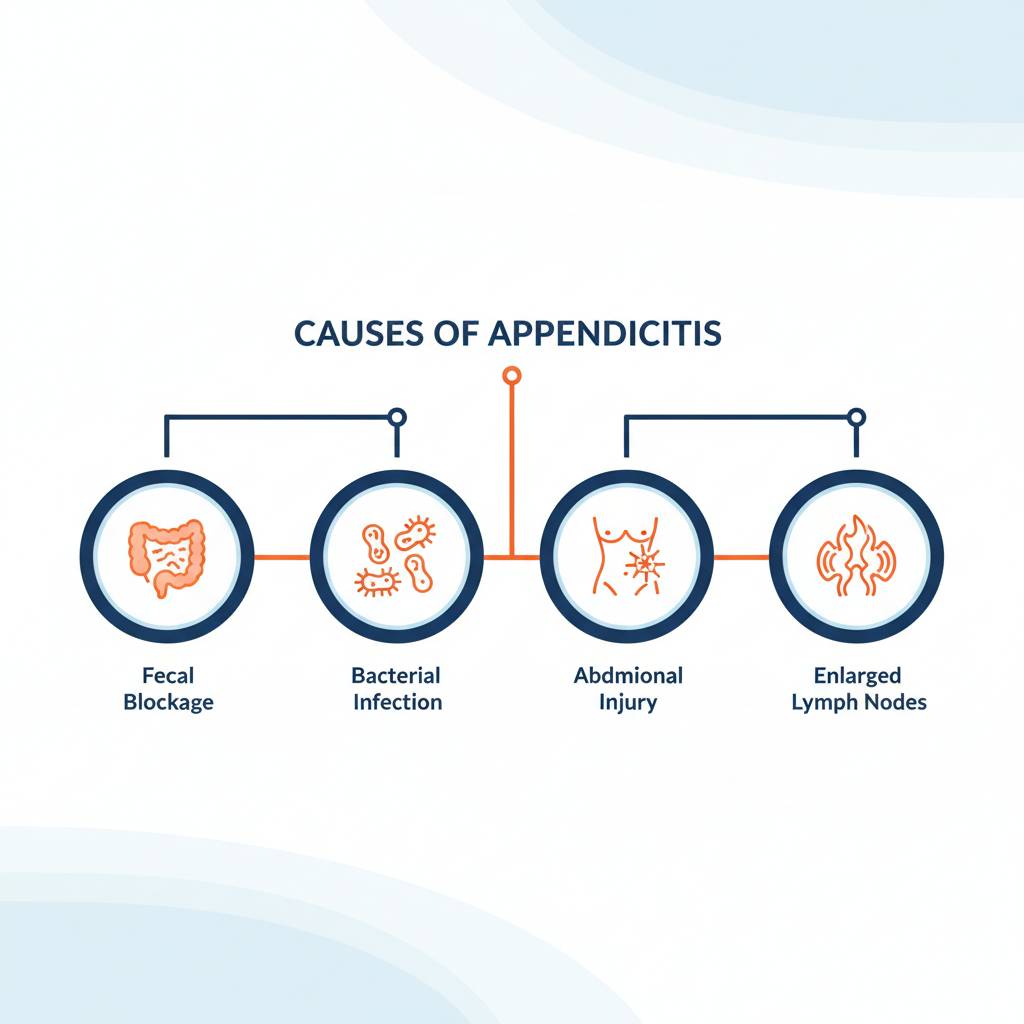
Ready to get the right care?
Risk Factors: Who Might Be More Susceptible?
Appendicitis can impact anyone, yet specific elements may elevate the chances of this condition occurring.

Demographic commonly affected by appendicitis.
Individuals aged 10 to 30 years are most commonly affected.

Appendicitis risk factor: family history.
Some individuals may have a higher risk due to genetic predisposition.

Appendicitis risk: digestive infections.
Increased inflammation risk in the appendix from frequent gastrointestinal infections.

Diet low in fibre increases risk.
Bowel blockages leading to appendicitis may be caused by diets low in fibre.

The Critical Phase
If experiencing severe abdominal pain, high fever, or vomiting, seek emergency care to lower complication risks.
ALWAYS HOSPITALIZE HIGH-RISK PATIENTS
Potential issues
Serious complications may arise from untreated or delayed appendicitis, necessitating urgent medical care.

Appendix rupture
A ruptured appendix can lead to infection spreading, causing peritonitis, a critical condition.

Appendix abscess
An abscess, a collection of pus, may form around the appendix, necessitating drainage prior to surgery.

Risk of sepsis
If left untreated, infection may enter the bloodstream, resulting in sepsis, requiring urgent care.

 Nearest Clinic
Recovery & Treatment
Advanced surgical and non-surgical treatments for appendicitis management

Surgical appendix removal
Faster recovery with minimally invasive laparoscopic surgery.

Medical antibiotic treatment
Mild cases may be managed with antibiotics before surgery.

Recovery after surgery
Routine activities resume quickly for most patients.


Advanced In-Patient Care
Our surgical team employs cutting-edge laparoscopic methods for high success rates and reduced post-operative discomfort.
 CRITICAL ALERT
Consult a healthcare professional promptly for intense, abrupt abdominal discomfort.
 Avoid Ibuprofen
 Avoid Heat Pads
 Avoid Self-Care
Consult a professional before any medication.
Urgent Medical Attention Needed for Appendicitis Symptoms
Rapid progression of appendicitis demands immediate emergency care for severe symptoms.
 Emergency Hotline


Prevention: Optimal Defense Against Appendicitis
Adopting healthy habits can reduce the risk of appendicitis.

Increase Fiber Intake
Consuming fruits and vegetables rich in fiber may lower appendicitis risk.

Maintain Hydration Levels
Adequate water intake aids digestion and ensures regular bowel movements.

Engage in Regular Exercise
Frequent physical activity enhances gut health and reduces inflammation.

Obtain Prompt Medical Help
Early reporting of ongoing abdominal pain can avert severe complications.


Your health is our
sole priority.
Need Expert Medical Consultation?
Our network of Appendicitis specialists are available for immediate clinical evaluation and personalized recovery planning.

Frequently Asked Questions
The standard treatment for appendicitis is an appendectomy. Laparoscopic surgery, a minimally invasive method, is often preferred for its smaller incisions, less pain, and quicker recovery.
Antibiotics can temporarily manage mild appendicitis cases. Nevertheless, surgery is the most effective and commonly advised treatment to avoid rupture and severe complications.
 Call Us
 Book Appointment


