
- Specialities
- Laparoscopy
- Urology
- Gynaecology
- Proctology
- Aesthetics
- Vascular
 080-6541-7872
Hernia Treatment in Kayankulam
Treatment & Care
Effective hernia relief in kayankulam with minimally invasive methods, ensuring quicker recovery for most patients.

 Call Us: 080-6541-7872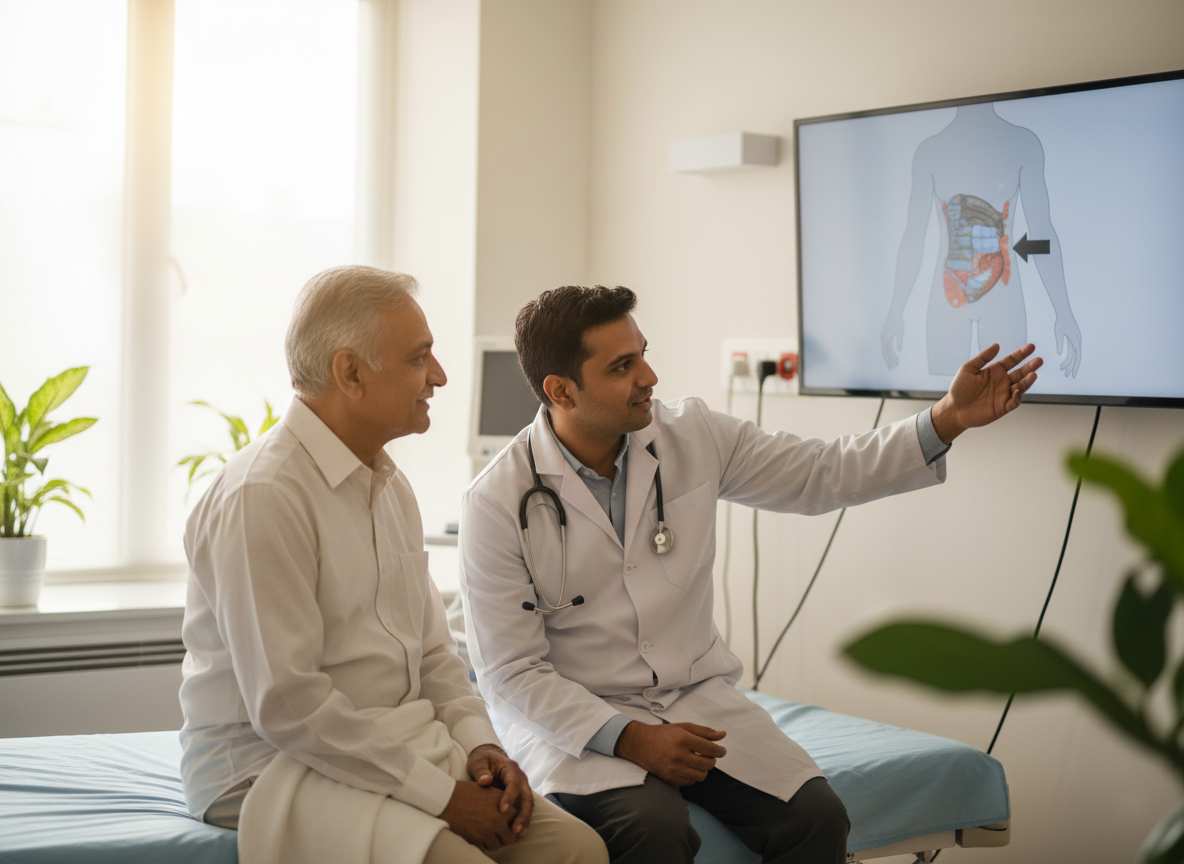
Effective Hernia Solutions in Kayankulam: Expert Care Available.
A hernia happens when an internal organ protrudes through a weak area in the surrounding muscle or tissue. In Kayankulam, skilled surgeons provide cutting-edge hernia treatment using minimally invasive laparoscopic methods, ensuring efficient repair with reduced discomfort. Most patients return to their regular activities within a few days. Early detection and prompt surgical treatment help minimize complications and promote quicker recovery. Seek a specialist in Kayankulam for a comprehensive evaluation and tailored treatment plan.
Beware: Indicators of a Hernia
Identify initial symptoms early for prompt medical attention

Prominent Swelling
Skin lump near groin or abdominal area

Localized Discomfort
Soreness or unease at the swelling spot

Weighty Feeling
Abdominal pressure or weight sensation

Strain-Induced Pain
Pain during lifting or bending actions

Queasiness or Emesis
Intense bulge pain with sudden nausea

Persistent Bulge
Firm lump that remains unretractable


Warning Signs of Severe Hernia
Seek Emergency Care Immediately if:
Seek Emergency Care Immediately if:
 Tissue death due to strangulated hernia condition Incarcerated hernia causes obstructed blood flow Intense, abrupt pain experienced at hernia location Hernia accompanied by vomiting and intestinal obstruction Hernia bulge shows dark or abnormal discoloration
- Tissue death due to strangulated hernia condition
- Incarcerated hernia causes obstructed blood flow
- Intense, abrupt pain experienced at hernia location
- Hernia accompanied by vomiting and intestinal obstruction
- Hernia bulge shows dark or abnormal discoloration
Meet Our Best Hernia Specialists

Dr. Dhamodhara Kumar C.B
MBBS, DNB-General Surgery
 Free Consultation
 27 Years Experience
 Kochi, Ernakulam, Kerala 682025
Dr. Sunil Joseph
MBBS, MS, MMIP (Proctology)
Free Consultation 18 Years Experience Kochi, Ernakulam, Kerala 682025
Dr. Nidhin Skariah
MBBS, MS
Free Consultation 15 Years Experience Edappally, Kochi, Kerala 682024 MEDICAL INSIGHT
Factors leading to hernia development and formation.
A hernia happens when an organ protrudes through a weakened area in muscle or tissue. Contributing factors are chronic coughing, obesity, heavy lifting, and past surgeries.
The primary medical cause of most hernias is heightened abdominal pressure coupled with muscle weakness.
 Muscle frailty
 Lifting heavy loads
 Persistent coughing
 Excess body weight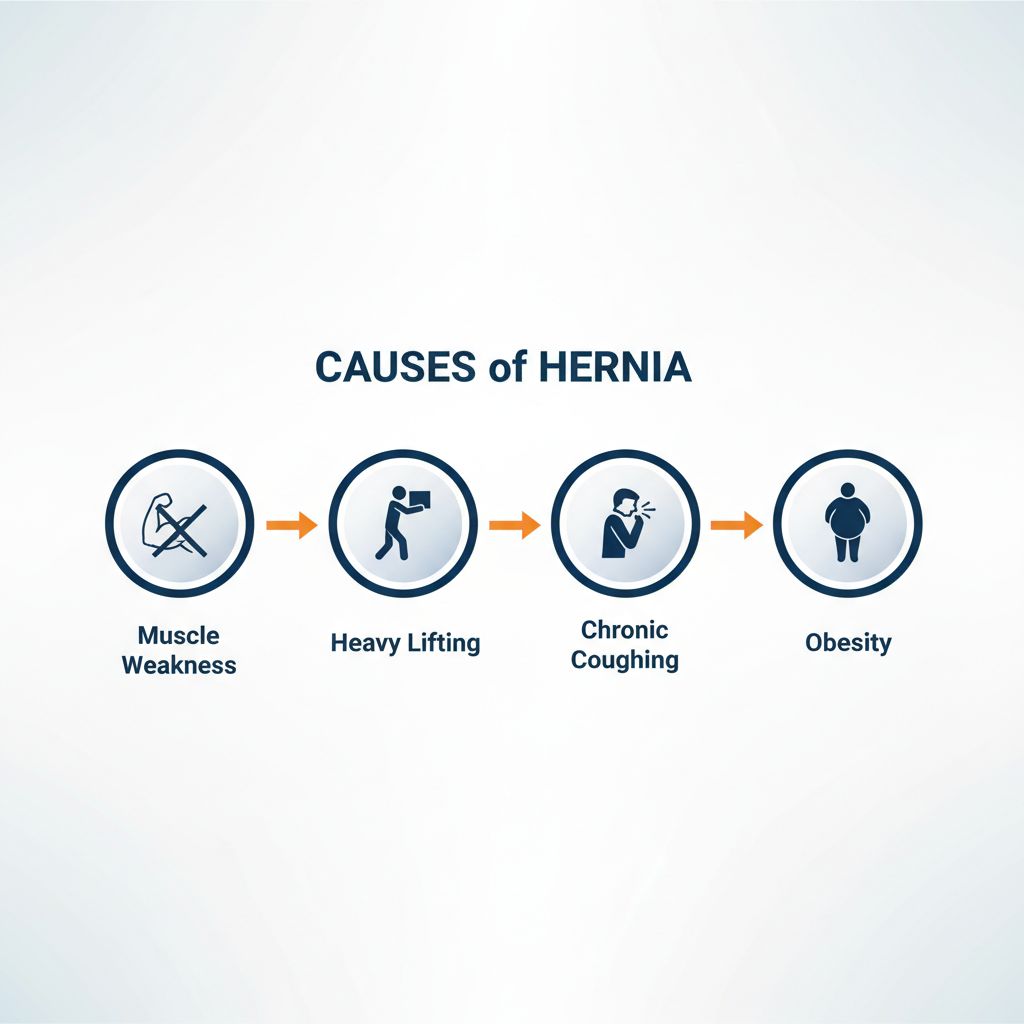
Ready to get the right care?
At-risk individuals: Who might develop a hernia?
Understanding risk factors for hernias aids in early prevention and awareness.

Elderly patients face higher hernia risks.
Aging reduces abdominal muscle strength, increasing the likelihood of tissue protrusion through weak spots.

Individuals who lift heavy objects regularly.
Frequent heavy lifting can weaken abdominal walls, elevating the risk of hernias over time.

People with higher body weight.
Carrying excess weight increases abdominal pressure, raising the chances of hernia formation.

Those with ongoing cough or strain.
Chronic coughing or straining from constipation can repeatedly stress and weaken abdominal tissues.

The Critical Phase
A strangulated hernia requires urgent medical attention. Get immediate help for sudden, intense pain or nausea.
ALWAYS HOSPITALIZE HIGH-RISK PATIENTS
Potential issues
Delaying hernia treatment may result in significant health dangers. Early detection and prompt intervention can avert serious complications.

Tissue entrapment
Pain, swelling, and bowel obstruction from trapped tissue in the hernia sac necessitate urgent medical attention.

Tissue death risk
Cutting off blood supply to trapped tissue can cause tissue death, posing a life-threatening emergency.

Post-surgery infection
Although modern sterile techniques minimize the risk, post-surgical site infections can still occur in some cases.

 Nearest Clinic
Therapy & Healing
Advanced hernia repair using contemporary surgical and minimally invasive methods

Hernia surgery
Minimal incisions and quicker recovery with laparoscopic hernia repair.

Hernia mesh method
Using surgical mesh lowers the chance of hernia coming back.

Post-surgery care
Quick return to normal activities after hernia surgery for most.
 CRITICAL ALERT
Get urgent medical help for sudden pain, nausea, or an irreducible hernia bulge.
 Avoid heavy lift
 Avoid straining
 Avoid Ibuprofen
Consult a professional before any medication.
Urgent medical attention needed for hernia symptoms.
If your hernia is painful, firm, or irreducible, seek emergency care promptly.
 Emergency Hotline


Guard Against Hernia: Prioritize Prevention for Optimal Health
Adopting straightforward lifestyle changes can markedly reduce hernia risk.

Keep a Healthy Weight
Overweight can stress abdominal walls, raising hernia risk.

Lift Safely, Use Knees
Use knees, not back, and breathe normally when lifting.

Minimize Abdominal Strain
Address cough and constipation to lower abdominal pressure.

Build Strong Core Muscles
Guided exercises regularly support and shield the abdomen.


Your health is our
sole priority.
Need Expert Medical Consultation?
Our network of Hernia specialists are available for immediate clinical evaluation and personalized recovery planning.

Frequently Asked Questions
An organ protruding through a weak spot in muscle or tissue, often in the abdomen, groin, or belly button, defines a hernia.
Surgical intervention is highly effective. Laparoscopic methods, known for smaller incisions, are commonly employed, leading to quicker recovery for most patients.
 Call Us
 Book Appointment


